
Email marketing example: Microsoft Stores increases revenue by 600% by focusing on relevance in their emails.
Today we tell you about Microsoft's efforts to integrate its online and offline customer databases and make email actions consistent with the behaviour of its users.
 Shawna Dahlin, Senior Email Marketing at Microsoft, says “We’re sending emails to sell Xbox ‘Call of Duty’ to mothers who might just have bought their first smartphone.”.
However, establishing a profile of Microsoft users to achieve relevant segmentation and be able to send relevant messages to users was not an easy task, given the heterogeneity of the databases they had at their disposal. Their initial idea was to establish a consistent data infrastructure and integrate all the sources (online buyers, brick-and-mortar stores, web subscribers…), but given the lack of agility they expected from this process, they decided to get started with the resources they had at their disposal. Thus, They increased the volume of shipments and established a segmentation method based on user behavior.
Before establishing the segmentation, the question was asked: “What do we want to talk about to our users?” Thus, by working together with the marketing and customer service teams, an interesting content strategy was established for Microsoft that was consistent with the concerns that customers express on a regular basis.
After this, the question was: What information do we have about the users? Most of the database is customers on and offline, so the main information Microsoft had was:
- What they bought
- Through which channel
- When they bought
Another very important aspect that Microsoft’s strategy teaches us is not being too specific in segmentation. Ending with too many segments is not efficient, as it increases the amount of resources we need to produce content, perform shipments, and analyze the results obtained. And therefore, it will reduce the ROI of the strategy. The idea was to create segments that allow for sending relevant content without fragmenting the database in an unsustainable and unprofitable way.
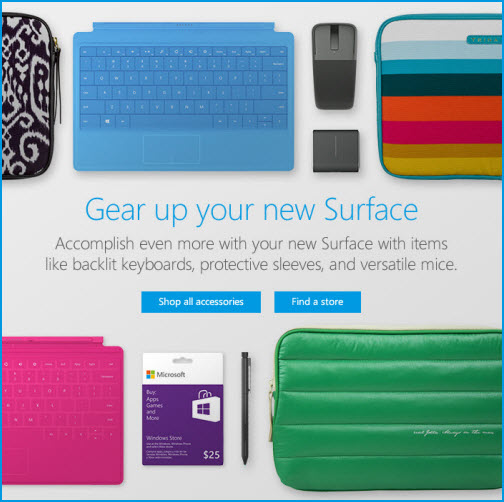
However, small and very specific segments may not allow us to have an efficient routine shipping strategy, but they can be positive for small one-off actions. For example, Microsoft has user information that has purchased the Surface product and when a line of accessories for this product was released, they were able to target them specifically, increasing the profitability of the action.
Launching the segmentation strategy without waiting for the technology department to have a suitable data infrastructure made the implementation process difficult, but it also allowed them to see which strategies worked and which did not. Thus, in a second phase, With the development of this infrastructure solution, processes that had shown good results could be automated.
It is a great effort on the part of Microsoft to collect all the information they could from their users and use it in their content strategy. An effort that ultimately had a significant reward, with un 600% increase in their revenue through email.
Source: MarketingSherpa
